
Website Orders To Northern Ireland & Republic Of Ireland and USA Now Available!

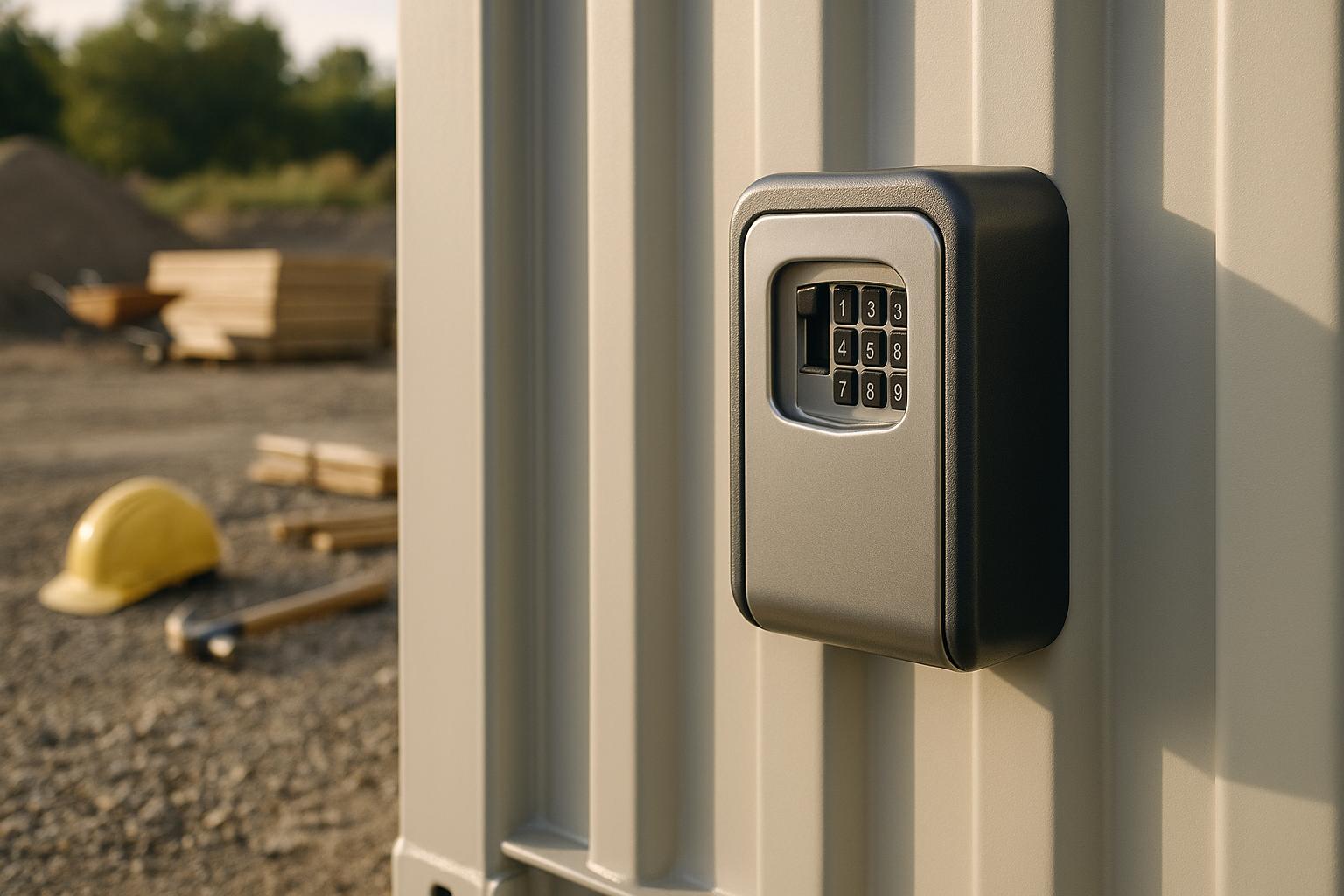
Managing keys on container sites is critical to maintaining security and efficiency. Poor key handling can lead to theft, project delays, and costly disruptions. With cargo theft rising, businesses can't afford to rely on outdated systems. Lost keys, unsecured storage, and harsh weather conditions only add to the challenges.
The solution? A secure, weather-resistant key safe designed for shipping containers. These safes offer controlled access, tamper resistance, and durability in tough environments. Choosing the right key safe - whether wall-mounted, portable, or built-in - depends on your site’s needs. For maximum protection, pair a high-quality safe with proper installation, tracking systems, and regular audits.
Key Takeaways:
For container sites, investing in the right key safe isn’t just smart - it’s necessary to protect assets and maintain smooth operations.
Container sites come with their own set of security challenges, especially when it comes to key management. Unlike traditional storage setups, these sites often rely on outdated methods like unsecured drawers, hidden keys, or informal handoff systems. These approaches leave keys vulnerable to theft, misplacement, and even damage from environmental conditions. Whether you're managing storage units, workshop containers, or mobile offices, poor key management can disrupt workflows and drive up costs.
The problem gets worse on busy sites where multiple employees need access throughout the day. In fact, at least 74% of organisations have reported concerns about insider threats, showing that even trusted personnel can pose risks if key security measures are weak. Combine this with external threats, unpredictable weather, and constant movement of staff and equipment, and the security challenges quickly pile up.
Let’s break down the key issues: lost keys, unauthorised access, and environmental factors.
Losing a key on a container site isn’t just inconvenient - it can bring operations to a grinding halt. On high-traffic sites, keys often pass between supervisors, technicians, and temporary workers. Without a proper tracking system, a single misplaced key can cause major disruptions. Workers may find themselves locked out of storage containers, workshop areas, or equipment lockers, delaying projects and creating costly downtime.
The financial impact doesn’t stop there. You’re looking at expenses for emergency locksmith services, replacement locks, and cutting new keys. And that’s not even considering the potential security risk if the lost key ends up in the wrong hands. It could grant unauthorised access to valuable equipment, sensitive materials, or confidential documents. Traditional storage options like desk drawers or toolboxes offer little protection, and even well-organised sites can struggle without clear accountability systems.
When keys are stored in unsecured locations - like unlocked cabinets or desk drawers - it’s easy for unauthorised individuals to get hold of them. This is a serious concern on large construction sites or industrial facilities where workers, contractors, and visitors come and go throughout the day. If someone gains access to keys, they could unlock containers holding expensive tools, hazardous materials, or confidential information, leading to theft or tampering.
Internal threats are just as concerning. Disgruntled employees or unverified personnel can exploit weak key security to access restricted areas. Without proper access controls or monitoring systems, it becomes nearly impossible to track key usage or identify breaches, leaving sites vulnerable to significant security risks.
Outdoor container sites face another layer of difficulty: exposure to harsh weather conditions. Unlike indoor facilities, these sites deal with rain, snow, extreme heat, and fluctuating humidity. Moisture, in particular, can cause keys to rust and corrode, making them difficult - or even impossible - to use. Metal key rings, locks, and paper labels can also deteriorate quickly in humid conditions.
Temperature extremes create additional problems. High heat can warp plastic key holders or damage electronic key fobs, while freezing temperatures can make metal keys brittle and prone to breaking. Storms can dislodge unsecured storage areas, scattering keys and creating chaos. Workers often waste time dealing with weather-damaged keys, sometimes resorting to unsafe fixes that only worsen security vulnerabilities. To handle these challenges, outdoor sites need secure, weatherproof storage solutions designed to withstand the elements.
Addressing these risks is critical to improving key management on container sites.
For tailored solutions, check out our large key safe for Shipping Containers or explore more secure accessory options on the Quickfit Container Accessories homepage.
Choosing the right key safe for your container site requires careful consideration. Outdoor environments, potential security risks, and the specific nature of shipping containers call for solutions tailored to these challenges.
The backbone of a dependable container key safe lies in its materials. Options like solid metal or weather-resistant poly-resin are designed to endure harsh outdoor conditions. These materials resist cracking, warping, and general wear and tear caused by exposure to the elements.
For top-tier durability, stainless steel - particularly AISI 316 grade stainless steel - is highly recommended due to its superior corrosion resistance, especially in areas with salty, coastal air. Aluminum alloy is another strong contender, offering a lightweight yet sturdy build that stands up to corrosion.
Look for safes with features like waterproof seals, dust covers, UV-resistant coatings, or even rubber shells for added protection. Once durability is covered, the next step is ensuring the safe offers robust security features, especially for high-risk environments.
In addition to durable materials, advanced security measures are essential. For container sites prone to security threats, key safes with tamper-resistant designs and reliable locking mechanisms are a must.
Seek out safes with LPS1175 certification, ideally rated A5 or higher, as they provide a level of security comparable to a standard front door. Mechanical models with multi-push technology offer millions of code combinations, making unauthorised access significantly more difficult. Features like anti-drill plates and hardened steel bodies add another layer of defense, protecting against drilling, cutting, or prying attempts.
Proper installation is just as important. Secure your key safe to solid brick or concrete with security screws or bolts to deter removal attempts while ensuring easy access for authorised users.
Beyond durability and security, a key safe designed specifically for shipping containers can address unique site needs. These safes often include features to protect padlocks from tampering and environmental damage, such as enclosures that allow access only from the underside, reducing the risk of forced removal or cutting.
Weather resistance is especially important for container sites. For example, the large key safe for Shipping Containers from Quickfit Container Accessories is built to handle high-traffic industrial environments while offering the durability and capacity required for demanding conditions.
Many container-specific key safes come with multiple storage compartments, allowing site managers to organise keys by function, department, or clearance level while maintaining centralised control. For remote or unsupervised locations, vandal-resistant designs with reinforced housings and protected lock mechanisms are crucial.
Additionally, integrating these safes with existing security systems - such as motion detectors, cameras, or alarms - can create a multi-layered defense, addressing various security threats and enhancing overall site protection.
Selecting the right key safe for your container site depends on your security needs, layout, and how you operate. Here’s a breakdown of the main types of key safes and how they address different requirements.
Wall-mounted key safes are a sturdy, permanent solution. They attach directly to container walls or nearby structures and are built from reinforced steel, making them ideal for high-capacity use. These safes are designed to integrate seamlessly with existing security systems, like motion detectors or cameras, and can handle the wear and tear of daily use without issue.
Installation is key - literally. Properly securing the safe to a solid surface and ensuring weatherproofing is crucial. Professional installation is often recommended to guarantee both durability and compatibility with your security setup.
For environments with heavy traffic, such as industrial sites, wall-mounted safes provide centralised, tamper-resistant access control. For instance, a large key safe for Shipping Containers is a popular choice for operations that demand a robust, permanent solution.
If flexibility is your priority, portable key safes are a great option. They require no permanent installation and can be attached to fence posts, door handles, or container hardware. These safes are particularly useful for construction sites, temporary storage, or any operation where containers are frequently moved.
However, portable safes do come with maintenance needs. Electronic models require regular battery checks, and all types need protection from moisture to avoid damage. To ensure security, it's essential to have strict check-in and check-out protocols in place and to regularly inspect the safe’s condition and functionality.
For operations where portability isn’t enough, built-in key safes offer an alternative.
Built-in key safes are integrated directly into container lockboxes, offering a streamlined way to secure both primary and backup keys. This setup not only protects keys but also enhances the container’s overall security by shielding the lockbox from tampering.
These safes require specialised installation and should be inspected regularly to maintain their effectiveness. They’re particularly suited for high-security applications, as they allow authorised personnel to access all security measures from a single location, adding an extra layer of protection.
"Prevention is better than cure, so make sure you've considered all our security points when buying a shipping container." – ShippingContainersUK.com
Ultimately, the best choice depends on your specific needs. Many large-scale operations use a mix of these options across different containers, tailoring their approach based on access patterns and security requirements.
Keeping your container site secure hinges on effective key management. How you handle keys daily can either strengthen your security system or leave it vulnerable. Let’s dive into some key management strategies that can make all the difference.
One of the smartest ways to manage keys is by using automated key control systems. These systems take the guesswork out of key management by reducing human error and ensuring accountability. How do they work? Users must authenticate themselves - whether by entering a PIN, scanning an access card, or using biometric identification - to access specific keys. This not only prevents unauthorised use but also triggers alarms if someone attempts unauthorised access or delays returning a key.
What makes these systems even more powerful is the detailed tracking they offer. Every key movement is logged, creating a clear record of who accessed a key, when it was taken, and how long it was out. Security managers can generate reports to see which keys are in use and when they’re due back. For sites with multiple locations, modern systems automatically sync these records, offering seamless tracking across the board. If you’re looking for a secure way to store your keys, check out our large key safe for Shipping Containers.
In addition to automated systems, master key setups can simplify access control even further.
Master key systems are a game-changer for managing access on a hierarchical level. With this system, certain individuals can unlock multiple containers with a single key, while others are limited to specific areas. For instance, a site supervisor might have a master key to access all containers in their section, while workers only have keys for the containers relevant to their tasks. For larger operations, grandmaster keys can grant senior management access to multiple master key systems across the entire facility.
To keep things secure, master key systems rely on restricted keyways and strict documentation. Patented keys prevent unauthorised duplication since copies can only be made through approved dealers. Keeping detailed records of key assignments and lock configurations is essential for resolving access issues and conducting security audits. And by limiting master key distribution to only those who truly need it, you can significantly reduce the risk of misuse.
Of course, even the best systems need regular checks to stay effective.
Regular audits are your best defense against potential security gaps. Start by reviewing role-based permissions to confirm that employees only have access to the keys they genuinely need. Don’t forget to check for outdated or inactive accounts and ensure multi-factor authentication is in place for administrative access. Logs should capture all login attempts and flag any unusual activity.
Audits should also include a review of container settings and access protocols. Keep an eye out for red flags like frequent key overrides or unusual access times - these could signal security issues. It’s also important to test your escalation procedures. Make sure alarms respond correctly to forced access, invalid codes, unattended doors, or even power outages.
Documenting your audit findings is just as important as conducting the audits themselves. Create action plans to address any weaknesses you uncover. And to go a step further, consider regular security penetration tests to identify vulnerabilities that routine audits might miss. These steps ensure your key management system stays reliable and keeps your site secure.
Selecting the right key safe for your container site isn’t just about finding the cheapest option - it’s about balancing security, durability, and practicality to meet your specific needs. A thoughtful evaluation can make all the difference in protecting your assets.
When comparing key safes, focus on materials, security features, and design. For sites exposed to harsh conditions, like coastal or humid environments, AISI 316 stainless steel key safes stand out for their superior corrosion resistance. Reinforced materials also ensure longevity in demanding environments, such as container sites.
Wall-mounted models with concealed fixings provide the highest level of security. Some key safes are made from robust materials like alloy steel and feature advanced combination codes, with some even meeting recognised security standards. For outdoor use, prioritise safes with vandal-resistant features and an IP65 rating, which ensures they can withstand exposure to weather while maintaining functionality.
Here’s a quick comparison of the three main types of key safes to help you decide:
| Feature | Wall-Mounted Safe | Portable Safe | Built-In Safe |
|---|---|---|---|
| Security Level | High – permanently fixed with concealed hardware | Medium – depends on secure placement | High – integrated into the container structure |
| Installation | Requires secure mounting on concrete or steel | Minimal – no drilling needed | Moderate – professional installation recommended |
| Weather Resistance | Excellent with proper sealing | Good – depends on storage location | Excellent – benefits from being part of the container |
| Tamper Resistance | High – difficult to remove without specialised tools | Low to Medium – can be moved or stolen | High – integrated and less accessible |
| Site Suitability | Perfect for permanent setups | Best for temporary or mobile use | Ideal for new builds or major modifications |
Check out our large key safe for Shipping Containers or browse our container accessories for more secure storage options.
Don’t just focus on the upfront cost - think about the long-term implications of your choice. A poorly chosen key safe can lead to theft, downtime, or replacement expenses that far outweigh the initial savings. Consider factors like exposure to extreme weather, which can corrode metal components, and opt for safes with appropriate weather ratings for your environment.
When it comes to locking mechanisms, mechanical combination locks offer basic security, while digital or smart locks provide an extra layer of protection. However, digital options may require battery upkeep and can sometimes be affected by extreme weather.
For sites requiring higher security, take a layered approach. Combine a key safe with additional measures like a crossbar lock, hidden shackle padlock, or lock box. This not only enhances security but also provides a clear indication of tampering.
Ultimately, the best key safe is one that aligns with your site’s unique needs, budget, and environmental challenges. Take the time to assess these factors carefully before making your decision.
Managing keys effectively is essential for safeguarding your assets, maintaining operational efficiency, and avoiding costly breaches. Choosing the right key safe can turn a potential weak spot into a reliable, round-the-clock security solution.
Investing in a well-built key safe eliminates the headaches of lost keys, deters unauthorised access, and stands up to tough conditions. Features like AISI 316 stainless steel construction, IP65 weatherproof ratings, and tamper-resistant designs aren’t just technical specs - they’re your frontline defense against theft and environmental wear. This choice not only protects your assets but also strengthens your overall security framework.
It’s important to pick a key safe that fits your specific needs. Whether you go for a wall-mounted safe with discreet fixings, a portable model for temporary setups, or a built-in option for seamless integration, the materials and security features should take priority.
Proper installation and upkeep are just as critical as the safe itself. Make sure to follow the manufacturer’s guidelines, mount the safe to sturdy surfaces like concrete or steel, and regularly update access codes to maintain security. Placement matters too - hiding the safe from plain view adds an extra layer of protection, even for the most secure designs.
For container sites that demand extra-strong security, check out our large key safe for Shipping Containers, built specifically for the challenges of shipping container environments. Pair it with other security accessories and follow best practices to make it a key part of your site’s security plan.
When managing container sites, a weather-resistant key safe is a smart way to keep your keys protected outdoors. Built to handle tough conditions like rain, snow, and extreme temperatures, these safes ensure your keys stay secure and easy to access whenever needed.
Their design prevents rust and corrosion, which not only protects the keys but also keeps the lock functioning smoothly over time. This makes them a reliable option for maintaining access control and protecting your keys, even when faced with harsh weather.
Businesses can enhance their container site security by incorporating smart key management systems that seamlessly integrate with existing security setups. Tools like electronic key safes or smart lockers offer features such as real-time monitoring, controlled access, and detailed audit logs, improving both security and accountability.
For a more customised approach, a large key safe specifically designed for shipping containers is a great option. These safes provide secure and convenient key storage while fitting effortlessly into your current security framework, ensuring easy access without compromising protection.
To set up a key safe outdoors, pick a discreet, secure location that's out of plain sight - preferably away from doors and windows. This reduces visibility and minimises the risk of theft. A sheltered spot, like under an overhang or in a covered area, works best to shield it from harsh weather conditions, such as heavy rain or snow.
For upkeep, inspect the key safe regularly for any signs of wear, rust, or tampering. Make sure it stays securely mounted over time. Choosing a sturdy, weather-resistant model can help it last longer. You might also want to enhance security by installing motion-activated lights or cameras to keep an eye on the area.
{"one"=>"Select 2 or 3 items to compare", "other"=>"{{ count }} of 3 items selected"}